Somewhere in the records, your grandfather is still standing at attention.

When the family stories run thin and the personnel file is gone, the trail is still there, scattered across morning reports, muster rolls, and unit journals. We follow it page by page and bring back the record of who he was and where he served.

A 1973 fire in St. Louis burned millions of Army personnel files. Far more of his service survived than most families know.

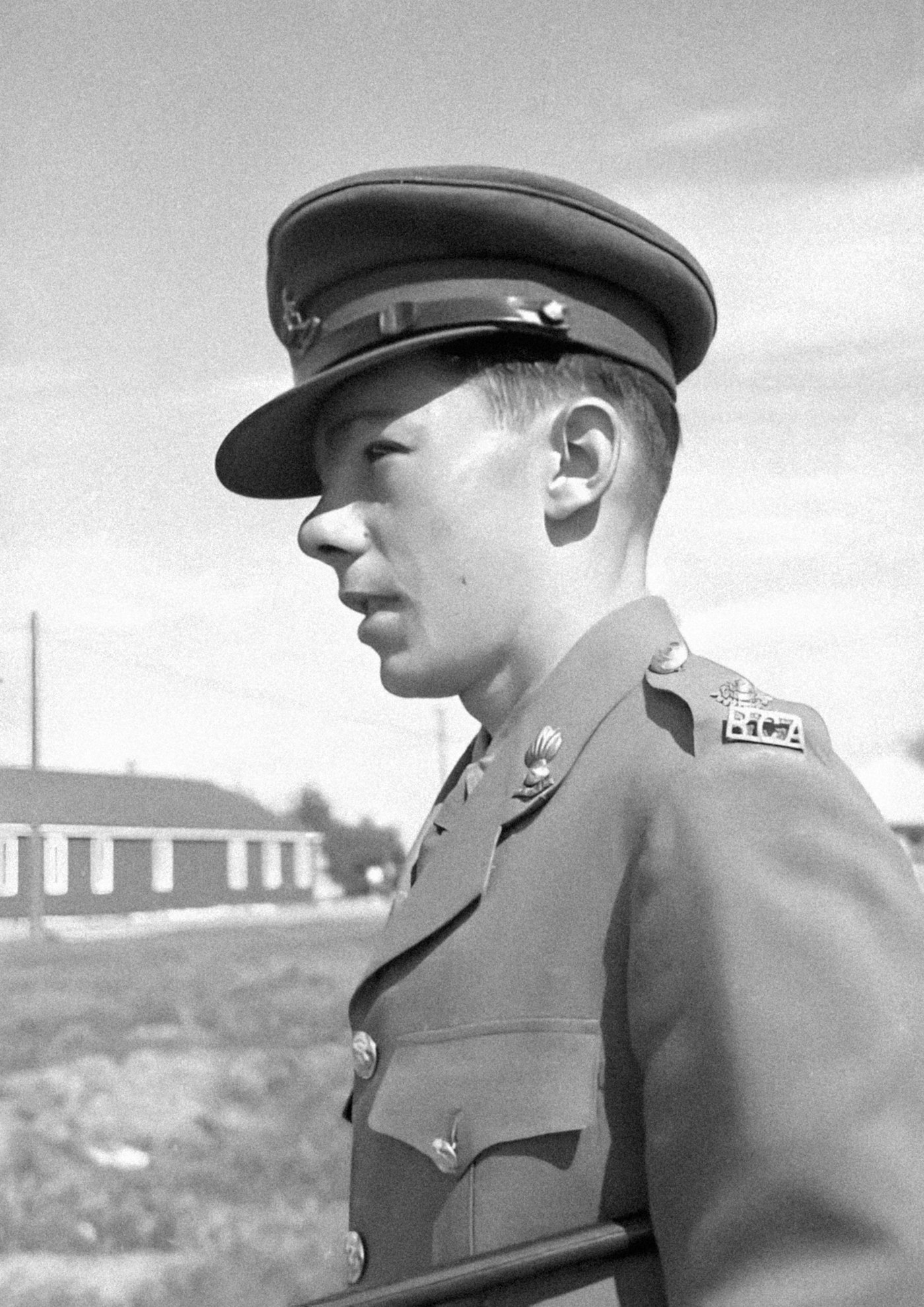
Archival studio portrait of a young man in military uniform, mid-20th century From the archive
Service reconstructed 1943 – 1946
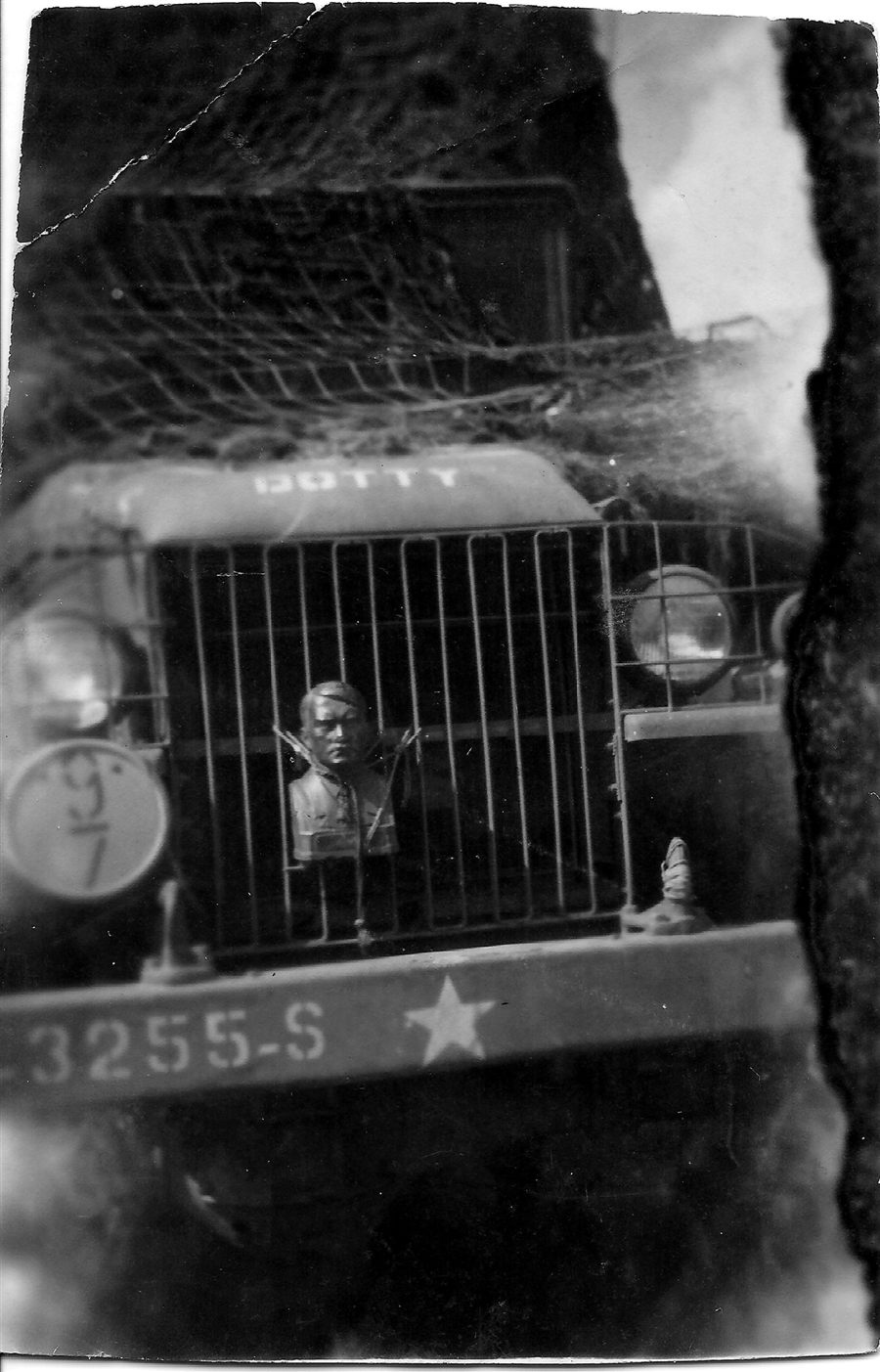
A worn black-and-white family photograph held in two hands

You start with almost nothing. We can work with that.

A name written on the back of a photograph. A service number on a discharge paper. A story about the winter he spent somewhere cold in Europe. That's where most families begin, and it's more than enough for us to start pulling the thread.

You don't need his unit or a single document. You need to want to know. We'll find the rest.

How the search works

No databases to learn, no archives to visit. You tell us what you have. We do the digging.

Tell us about him

Share his name, and whatever else you have: a photo, a discharge paper, an old letter, or just the stories. About five minutes on our intake form.

We work the record trail

We search the National Archives by service number, read the morning reports his unit filed, and cross-check muster rolls, rosters, and award cards to place him week by week.

You receive his story

A written timeline of his service, sourced to the page: where he was, what he did, and the records that prove it. All of it in language your whole family can read.

What the records give back

A personnel file is only one door. When it's closed, we open these instead: the everyday paperwork the Army generated by the ton and never sent to St. Louis to burn.

See what we'd need from you
MR

Morning reports

The daily roll of a unit: who was present, sick, transferred, promoted, or lost. The backbone of any reconstruction.

MUS

Muster rolls & rosters

Periodic headcounts that confirm which company he belonged to, and when he moved between them.

UNIT

Unit journals & histories

Where his outfit was and what it was doing: the story unfolding around the man.

AWD

Award & decoration cards

Medals, citations, and the actions behind them, often filed far away from the lost personnel record.

SHIP

Embarkation & voyage records

When and on which ship he crossed the Atlantic, and the day he came home.

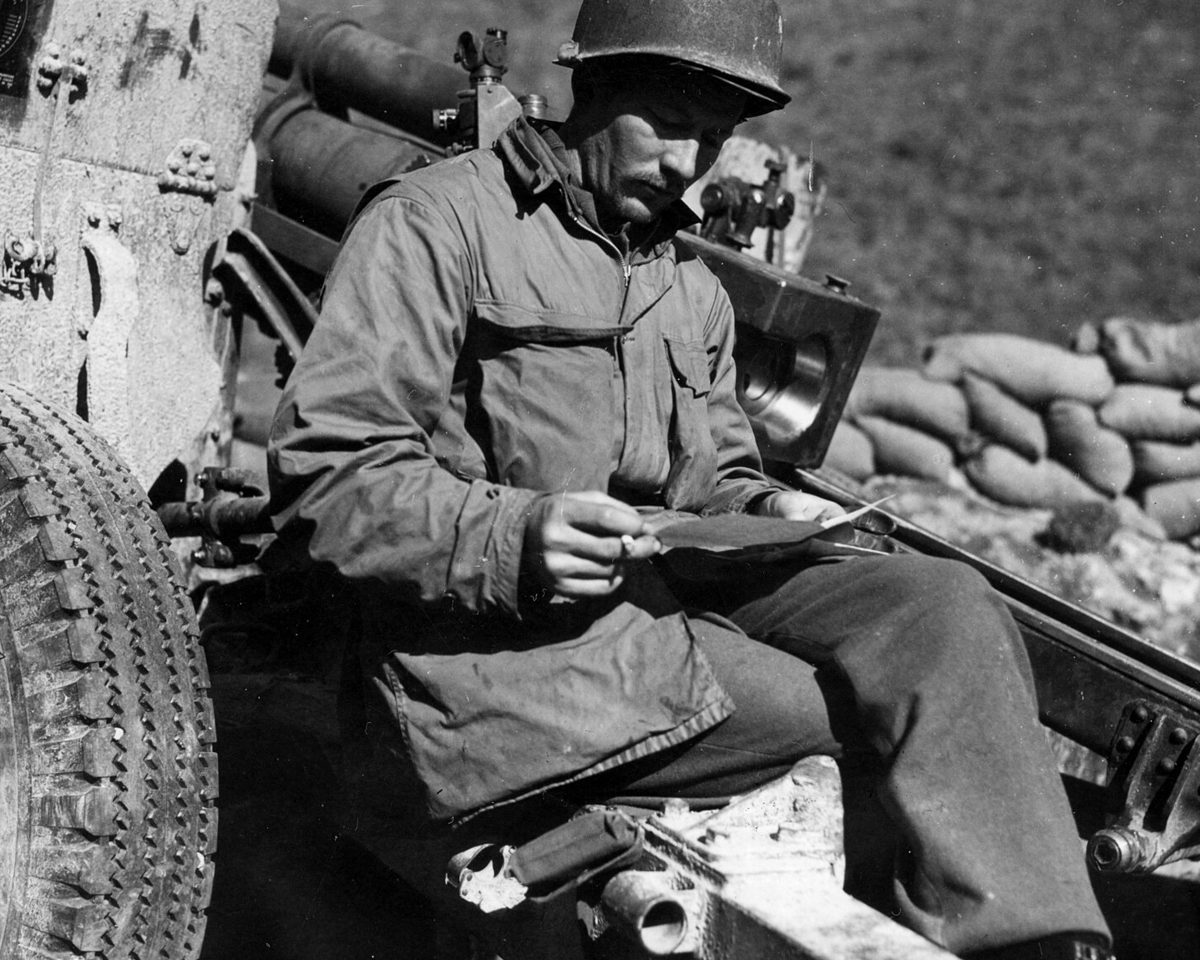
Archival photograph of a serviceman seated on the wing of an aircraft
“We started with Holly's grandfather. Jim — one name, one service number, and a file that had burned in 1973. Within a couple of weeks, his family had his whole war back: the towns, the winters, the day he sailed home. If we could do that for Jim, we could do it for anybody's father, anybody's grandfather. Every family deserves that. Tango Yankee is how a radioman said thank you. This is how we say it.”

Brandon and Holly Brimberry · Founders, The Tango Yankee Project

The Tango Yankee Project — honoring service, preserving legacy

Let's find the man behind the name.

Start with whatever you have. We'll give you an honest read on what we can recover before you commit to anything.

Get started